


Racial Tension: Whites in Black Spaces

Written by Tashara Roberts

In the reflection of the historical and institutionalized oppression of African- Americans, significant individuals have sacrificed to create a focused space for redefining the climate of black citizens. The integrity of these spaces is in jeopardy of facing a cultural metamorphism.
HBCUs are one of the first monuments established to revolutionize the status of blacks. With the present financial crisis faced today by many institutions, HBCUs have sought non-colored students to accommodate the crisis.
Vice recently showcased a documentary about a white student at Morehouse College by the name of Tiago facing racial social stigma. The segment included the student and community reflection of their notion on having white students on campus. In a collective conversation, one student insisted “this place is sacred” and another added “if we just have white people coming in here, I would feel disrespected”.

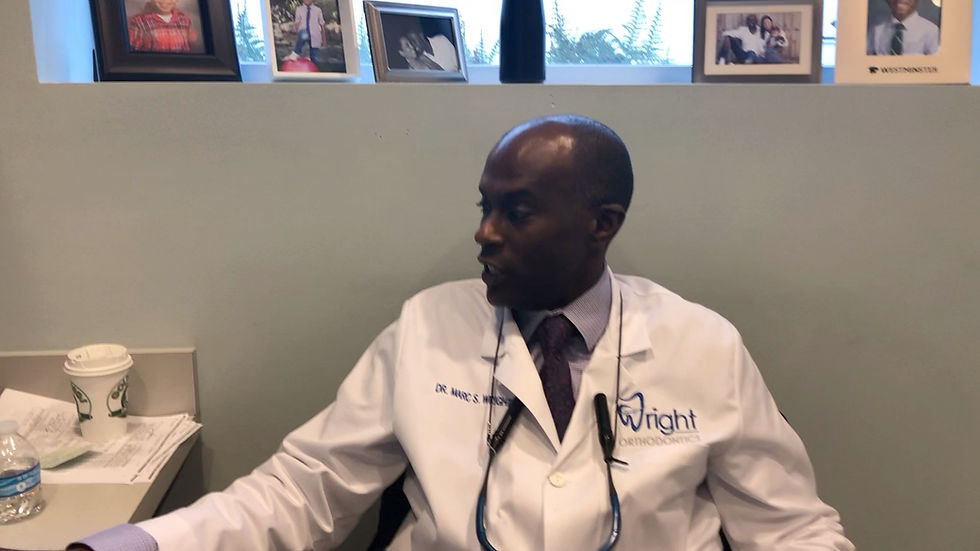
In a recent interview with Dr. Georgianne Thomas, a professor of humanities at Clark Atlanta university and one of the original contributors of the Atlanta Student Movement notably known for fueling the civil rights movement, gave a reflection on the current dilemma. “You must respect the sacrifice”, Dr. Thomas asserted. “To know black history is to distinguish white oppression. The fruits of knowledge these sacred institutions have breaded can only accommodate those intended. A 300-pound man cannot wear a size small in kids.”
Dr. Thomas was a student at Spelman College during the civil rights movement and first hand faced the racial hatred that was a reality for almost all African Americans. It's important to keep the definition of the black community intact so that future generation aren't susceptible to the systematic plight of the people.
Some students are aware of the possible cultural shifts that can impact these institutions and recognize the racial bias of integration they may impose.

In a sit-down interview with Morehouse and Spelman College students, they too also reflected on the documentary. “Watching the first two minutes, I felt like it was a joke, he was talking out of his ass”, Spelman student named Clarissa explained on her take. “Vice... Is using these narratives to produce this white sympathy” she added.
In retrospect, with the racial tension present in America and the many systemic institutions of oppression that hindered African- Americans, it is important that we remember history, so it can never be repeated.
Tashara Roberts is a junior currently enrolled in the fall semester of Multimedia and Reporting at Clark Atlanta University. Tashara is a Mass Media Major with a concentration in Radio/TV/Film. Follow Tashara on Instagram/Twitter @Answermbs.

Comments